


What to Check When Buying a Used Car Before You Buy
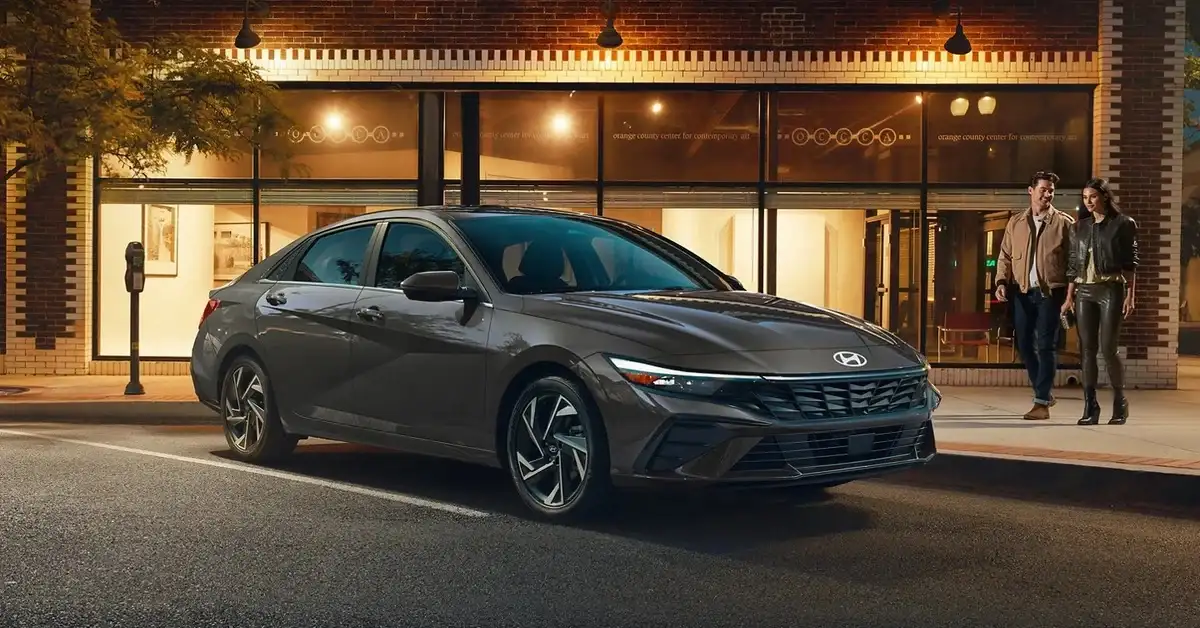
A low advertised price can make a used vehicle look like an easy decision. Before you commit, knowing what to check when buying a used car can help you separate a dependable daily driver from a vehicle that may need expensive work shortly after delivery. The goal is not to find a perfect car – it is to understand its condition, history, value, and likely ownership costs before you sign.
Start With the Vehicle History and Title
A vehicle history report is one of the first things to review. It can show reported accidents, title branding, registration history, odometer readings, service records, and the number of previous owners. A clean report is reassuring, but it is not a guarantee that every repair or incident will appear. Use it as one part of a larger buying decision.
Pay close attention to title status. A clean title generally means the vehicle has not been declared a total loss. Salvage, rebuilt, flood, or lemon-law titles do not automatically make a vehicle unusable, but they can affect insurance, financing, resale value, and long-term reliability. For many shoppers who need dependable transportation, a clean-title vehicle is the more straightforward choice.
Compare the vehicle identification number, or VIN, on the dashboard, door jamb, title, and history report. Those numbers should match. If they do not, pause the transaction until the discrepancy is clearly explained and documented.
Check for Open Recalls
Recalls are tied to the vehicle, not the current owner. Ask whether any open safety recalls exist and whether the necessary repair has been completed. A franchised dealership can also help verify recall information and explain whether the repair can be scheduled through its service department.
Inspect the Exterior, Interior, and Tires
Walk around the vehicle in daylight whenever possible. Look at the body panels from several angles. Differences in paint shade, uneven panel gaps, overspray on trim, or doors that do not close smoothly can point to prior body repair. Repair work is not always a deal-breaker, but it should align with the vehicle history and price.
Check the tires carefully. Uneven wear on the inside or outside edges may signal alignment, suspension, or steering concerns. Tire age matters too. Even tires with usable tread can become less safe as the rubber ages. Look for cracking along the sidewalls and ask when the tires were installed.
Inside, test more than the basics. Turn on the air conditioning and heat, adjust the seats, open every window, pair your phone if applicable, and test the backup camera, audio controls, USB ports, wipers, lights, and power liftgate. These items can be costly or inconvenient to repair, especially on vehicles with more advanced technology.
Check for strong odors, damp carpeting, stained headliners, or corrosion under the seats. These can be signs of water intrusion. In the Chicago area, also look underneath for excessive rust, particularly around brake lines, suspension components, exhaust parts, and the vehicle’s structural areas. Surface rust can be normal on an older Illinois vehicle. Heavy scaling or deteriorating metal deserves a professional evaluation.
What to Check When Buying a Used Car Under the Hood
You do not need to be a technician to spot obvious concerns. With the engine off and cool, look for fluid leaks, loose wiring, cracked hoses, damaged belts, and corrosion around the battery. Check the oil level and condition if the dipstick is accessible. Very dark oil alone does not prove there is a problem, but low oil, milky oil, or visible metal particles should raise questions.
Start the vehicle and listen. A healthy engine should settle into a smooth idle without loud knocking, repeated tapping, smoke from the exhaust, or warning lights that remain on after startup. Watch the dashboard for check-engine, airbag, ABS, battery, and oil-pressure lights.
Some warning lights may relate to a minor sensor issue. Others can indicate a larger repair. Either way, do not accept “it is probably nothing” as an answer. Ask for a diagnostic explanation, repair documentation, or an inspection before moving forward.
Take a Real Test Drive
A test drive should be long enough to assess the vehicle in everyday conditions. If possible, drive on local streets and at highway speeds. Start with the vehicle cold, since some issues are more noticeable before the engine reaches operating temperature.
Notice how the transmission shifts, whether the steering feels centered, and whether the vehicle tracks straight on a level road. Test the brakes in a safe area. The pedal should feel firm, and the vehicle should not pull hard to one side, shake, or make grinding noises.
Listen for clunks over bumps, wind noise at highway speed, or a humming sound that changes with speed. These symptoms can be related to tires, wheel bearings, suspension parts, or weather seals. They may not end the deal, but they should be reflected in the price and repair plan.
For a hybrid or electric vehicle, check the estimated driving range, charging equipment, charging ports, battery warranty coverage, and available service history. Battery condition matters, but so does whether the vehicle fits your home charging setup and daily commute.
Confirm Maintenance and Inspection Records
A well-maintained used vehicle often has records for oil changes, tire rotations, brake work, fluid services, and recommended inspections. Consistent records can show that the prior owner addressed routine maintenance rather than simply driving until a warning light appeared.
Ask which services were completed before the vehicle was listed for sale. Common reconditioning items include fresh oil, brake service, tire replacement, battery testing, filters, wiper blades, and multipoint inspections. Be specific about what has been done and what may be due soon.
A pre-purchase inspection from a qualified technician is a smart step, especially for an older vehicle, a higher-mileage model, or a vehicle being purchased from a private seller. An inspection can identify leaks, worn suspension components, brake wear, battery health, hidden collision repairs, and diagnostic trouble codes that are not obvious during a short drive.
Compare the Price to the Total Cost of Ownership
The purchase price is only one part of the decision. Compare similar vehicles by year, trim, mileage, condition, drivetrain, features, and history. A lower-priced vehicle may be the better value, but only if its condition and expected repair needs support that price.
Build a realistic monthly budget that includes sales tax, registration, insurance, fuel or charging, routine maintenance, and potential repairs. If you are financing, review the annual percentage rate, loan term, down payment, and total amount financed. A longer term can lower the monthly payment, but it may increase the total interest you pay.
If you have a trade-in, request a clear appraisal and compare that number with the offer structure. Understanding the trade value, vehicle price, and financing terms separately makes it easier to evaluate the complete transaction.
Review Warranty Options Carefully
Used vehicles may be sold with remaining factory warranty coverage, a limited dealer warranty, an extended service contract, or as-is terms. Read the paperwork closely. Coverage can vary by component, mileage, deductible, repair location, and term length.
Hyundai Certified Pre-Owned vehicles can be worth considering for shoppers who want added confidence. Certification typically involves manufacturer standards, inspection requirements, and warranty coverage, though specific eligibility and benefits should always be confirmed for the individual vehicle.
Ask the Questions That Protect Your Purchase
A transparent seller should be prepared to discuss the vehicle’s condition and transaction details. Before finalizing your purchase, ask why the vehicle is for sale, whether it has been in an accident, what repairs or reconditioning were completed, whether there are open recalls, and whether you can review its history report.
Also ask for an out-the-door figure. This should account for the vehicle price, taxes, title and registration costs, documentation fees, optional products, and any other charges. It is easier to make a confident decision when you see the full number rather than focusing only on a monthly payment.
At Happy Hyundai of Libertyville, shoppers can compare used and Certified Pre-Owned options, discuss financing, value a trade, and arrange a test drive with a clear picture of the next step. Take your time, ask direct questions, and choose the vehicle that makes sense for your budget, commute, and plans after the keys are in your hand.
Frequently Asked Questions
How can I check a used car for road salt damage in the Chicago suburbs?
Look underneath with a flashlight at the brake lines, fuel lines, exhaust, subframe, and rocker panels. Light surface rust is common on vehicles driven through northern Illinois winters, but flaking metal, holes, or rusted lines need a professional opinion. Ask the seller for a lift inspection, or have a qualified technician check the underbody before you buy.
What does Hyundai Certified Pre-Owned add compared with a regular used car?
A Hyundai Certified Pre-Owned vehicle must meet age and mileage eligibility rules, pass a multipoint inspection, and comes with added Hyundai warranty coverage and roadside assistance. A regular used car may have remaining factory coverage, a dealer warranty, or none at all. Ask Happy Hyundai of Libertyville to show the certification checklist and warranty terms for the vehicle you like.
Should I get a used car inspected even if it comes from a dealership?
It is a reasonable step for any used vehicle, especially an older or higher mileage one. A reputable dealer should share its reconditioning records and allow an independent inspection. Comparing a third-party report with the dealer’s own inspection gives you a fuller picture of brakes, tires, suspension, leaks, and any stored diagnostic codes before you sign.
What paperwork should I get when buying a used car in Illinois?
Expect the signed title or title application, a bill of sale or retail purchase agreement, an odometer disclosure where required, the FTC Buyers Guide window sticker from a dealer, and any warranty or service contract documents. Dealers in Illinois typically handle title and registration filing for you. Keep copies of everything, including reconditioning and inspection records.
0 comment(s) so far on What to Check When Buying a Used Car Before You Buy