


Hyundai Hybrid vs Gas Mileage for Commuters
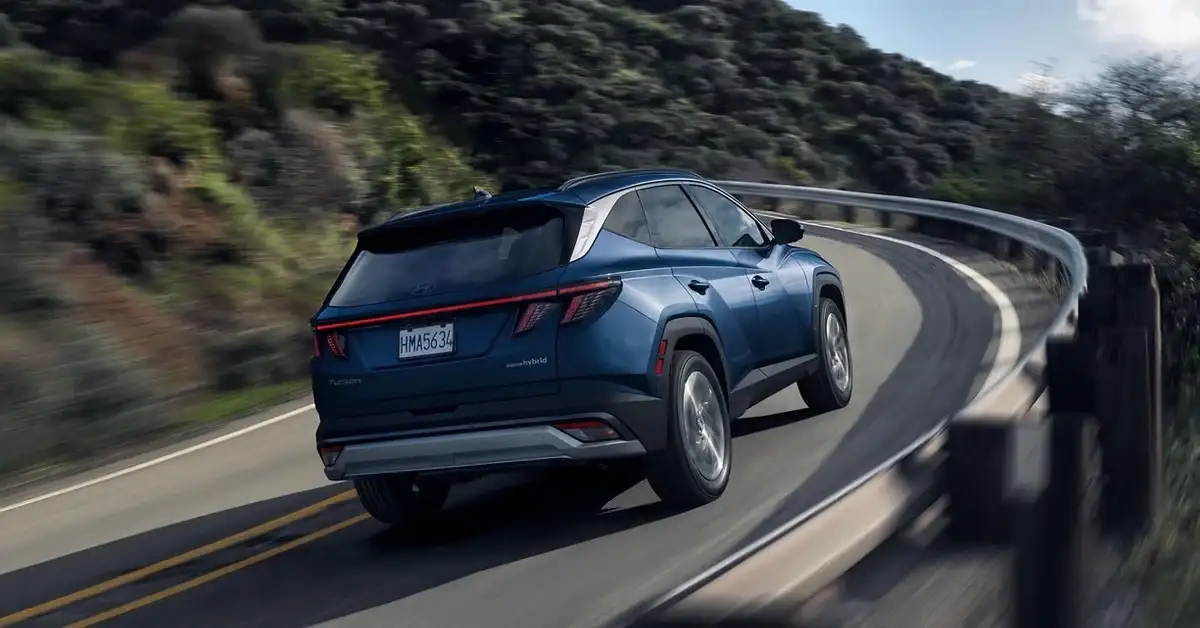
A Lake County commute can make fuel use feel very real. A few extra miles each way, stop-and-go traffic near Chicago, school drop-offs, and weekend errands can add hundreds of miles to a monthly total. When comparing Hyundai hybrid vs gas mileage, the better choice is not automatically the vehicle with the highest EPA rating. It is the one that fits how far you drive, where you drive, what you need to carry, and what you want to spend up front.
Hyundai offers efficient gas-powered sedans and SUVs alongside hybrid models that use a gasoline engine and electric motor together. Both can be smart purchases. The key is comparing comparable vehicles and looking past the headline mpg number.
Hyundai Hybrid vs Gas Mileage: The Main Difference
A conventional gas Hyundai relies solely on its gasoline engine. A Hyundai hybrid pairs a gas engine with an electric motor and battery. The hybrid system can capture energy during braking, use electric assistance when accelerating, and sometimes move the vehicle on electric power at lower speeds. You do not need to plug it in.
That setup usually gives a hybrid its biggest mileage advantage in city and suburban driving. Frequent braking and slower traffic create more opportunities for regenerative braking, while the electric motor reduces how hard the gas engine has to work when getting the vehicle moving.
On long, steady highway trips, the difference between a hybrid and a comparable gas vehicle may be smaller. The gasoline engine is doing more of the work at a consistent cruising speed, and there is less braking energy to recover. A hybrid can still be efficient on the highway, but drivers who spend nearly all their time on I-94 may see less dramatic fuel savings than drivers who handle daily local traffic.
Start With Your Actual Driving Pattern
Before choosing a powertrain, estimate your annual mileage and consider where those miles happen. A commuter who drives through Libertyville, Vernon Hills, Gurnee, and surrounding northern suburbs each week may see meaningful hybrid benefits because of traffic lights, congestion, and shorter trips. The same can be true for families making several local trips in a day.
A driver who takes occasional road trips but has a mostly local routine may still come out ahead with a hybrid. On the other hand, a buyer who drives fewer miles each year may not recover the hybrid’s added purchase price as quickly through fuel savings alone.
Your vehicle needs matter just as much as your route. A compact hybrid sedan can be an excellent fit for a solo commuter or couple focused on fuel costs. A hybrid SUV may make more sense for a family that needs flexible cargo space, all-weather confidence, and room for passengers. A gas SUV can remain the practical option when budget, preferred trim features, towing needs, or immediate inventory availability carry more weight than maximum mpg.
Compare Similar Hyundai Models and Trims
It is easy to compare a hybrid sedan’s mileage with a larger gas SUV and conclude that the hybrid always wins. That comparison is not especially useful because size, weight, drivetrain, and purpose are different. A more helpful approach is to compare vehicles in the same category.
For example, the Hyundai Elantra Hybrid is designed around high fuel efficiency for compact-sedan shoppers. The Hyundai Sonata Hybrid gives midsize-sedan buyers more room while prioritizing low fuel consumption. For SUV shoppers, Hyundai hybrid options such as the Tucson Hybrid and Santa Fe Hybrid combine SUV utility with improved efficiency versus many conventional gas-powered alternatives.
Within a model line, trim choices can affect mileage. All-wheel drive, larger wheels, tire selection, additional weight, and performance-oriented equipment may reduce efficiency. This is why the window sticker matters. EPA estimates are a useful comparison tool, but they are estimates, not a guarantee of the mileage every owner will achieve.
When browsing inventory, compare the exact model year, trim, drivetrain, and equipment. A finance payment should also be compared in the same way. Two vehicles with similar advertised starting prices can have different monthly costs once down payment, term length, trade value, taxes, and selected features are included.
Fuel Savings Need a Dollar Calculation
Higher mpg saves fuel, but the financial benefit depends on how much you drive and what gasoline costs over your ownership period. A straightforward calculation can make the decision clearer.
First, divide your expected annual miles by the vehicle’s combined mpg estimate. That gives you an approximate number of gallons used in a year. Then multiply that result by your expected average fuel price. Repeat the calculation for the gas and hybrid models you are considering.
For example, a driver covering 15,000 miles per year will feel the difference between 30 mpg and 45 mpg much more than a driver covering 6,000 miles per year. Fuel prices also change, so it is better to look at a range of possible costs rather than assume one fixed price for the next five years.
Do not stop at gasoline. Consider the total ownership picture: purchase price, available incentives, financing terms, insurance, expected maintenance, trade-in value, and how long you plan to keep the vehicle. A hybrid may cost more initially but reduce fuel spending over time. A gas model may offer a lower entry price and still deliver efficient performance, especially for a low-mileage driver.
Winter, Highway Driving, and Real-World Mileage
Northern Illinois weather is part of the equation. Cold temperatures can reduce fuel economy in both hybrid and gas vehicles. Engines take longer to warm up, cabin heat requires energy, winter-blend gasoline can affect efficiency, and snow-covered roads add resistance.
Hybrid owners may notice a larger seasonal change because the battery and electric system perform differently in very cold weather. That does not make a hybrid a poor choice for Illinois. It simply means the warm-weather number on the window sticker may not match January driving. Gas-powered vehicles also use more fuel in winter, particularly on short trips.
Driving behavior has a major effect, too. Hard acceleration, high speeds, excess idling, underinflated tires, and carrying unnecessary weight can reduce mileage in any vehicle. Smooth acceleration and braking help a hybrid make the most of its electric assist and regenerative braking. Regular service helps both vehicle types stay efficient over the long term.
What Maintenance Looks Like
Some shoppers assume a hybrid is difficult or expensive to maintain. In routine ownership, the basics remain familiar: tire rotations, brake inspections, fluid checks, filters, and scheduled maintenance still matter. Hyundai hybrid systems are engineered for everyday driving, and dealership technicians have the training and diagnostic equipment to service them correctly.
Hybrid braking systems can reduce wear on certain brake components because regenerative braking does some of the slowing. However, brakes still need regular inspection, especially in an area where road salt and winter moisture can affect vehicle components.
A conventional gas model may feel simpler to a buyer who prefers the lowest possible initial cost or plans to keep mileage limited. A hybrid can be attractive to a high-mileage commuter who values reduced fuel stops and lower gasoline use. Neither choice eliminates the need for proper maintenance, tire care, and scheduled inspections.
When a Hyundai Hybrid Makes Sense
A Hyundai hybrid is often a strong fit when you drive frequently in town, commute through traffic, or put substantial miles on your vehicle each year. It can also suit shoppers who want SUV practicality but would like to reduce fuel consumption without changing their routine around public charging.
It is especially worth comparing if you expect to own the vehicle for several years. More time and more miles create more opportunity for fuel savings to offset the higher initial price. Hybrid models may also appeal to drivers who want a quieter experience in low-speed situations and the confidence of using less gasoline without moving to a fully electric vehicle.
When a Gas Hyundai May Be the Better Buy
A gas-powered Hyundai can be the better fit if your annual mileage is low, your budget is tightly focused on the purchase price, or the exact vehicle configuration you need is available only with a conventional engine. It can also make sense for drivers whose miles are mostly long highway stretches, where the hybrid advantage is often narrower.
There is value in choosing the vehicle that meets your needs without paying for capability you may not use. A fuel-efficient gas Hyundai can still be a practical, dependable choice for a first-time buyer, a growing household, or someone replacing an older vehicle with significantly lower mpg.
The best next step is to compare the exact vehicles you are considering side by side, including estimated fuel use and the payment structure that works for your budget. At Happy Hyundai of Libertyville, shoppers can review inventory, value a trade, explore financing, and schedule a test drive with a clearer picture of what each option will cost to own. The right choice is the Hyundai that makes your daily drive easier long after the purchase paperwork is complete.
Frequently Asked Questions
Are Hyundai hybrid SUVs a good choice for snowy winters in Lake County?
They can be. The Tucson Hybrid comes with HTRAC all-wheel drive, and the Santa Fe Hybrid offers it as an option, which helps with traction on snowy Libertyville and Gurnee roads. Good winter tires matter just as much as the drivetrain. Ask the Happy Hyundai of Libertyville team which hybrid trims in stock include all-wheel drive before you test drive.
Does Hyundai offer a three-row hybrid SUV for larger families?
Yes. Hyundai offers the Palisade Hybrid for households that need three rows of seating along with improved efficiency, and the Santa Fe Hybrid also offers third-row seating in a smaller footprint. Compare passenger space, cargo room behind the third row, and drivetrain options in person, since seating layouts and features vary by trim.
What warranty covers the hybrid battery in a new Hyundai?
Hyundai covers the batteries and system components of its hybrids for 10 years or 100,000 miles, in addition to the new-vehicle and powertrain warranties. Coverage details can depend on the owner and the vehicle, so review the warranty booklet for the exact model you are considering. The Happy Hyundai of Libertyville team can walk you through the coverage on any new or certified pre-owned hybrid.
Is a hybrid worth it if I mostly drive short trips around Libertyville and Mundelein?
Short trips with frequent stops are where hybrid systems tend to help most, because regenerative braking and electric assist do more of the work at low speeds. Very short winter trips reduce efficiency for any vehicle, though. Track your typical weekly miles for a few weeks, then compare estimated fuel use for a hybrid and gas Hyundai side by side.
0 comment(s) so far on Hyundai Hybrid vs Gas Mileage for Commuters