


How Long Does Hyundai Charging Take? Clear Answers
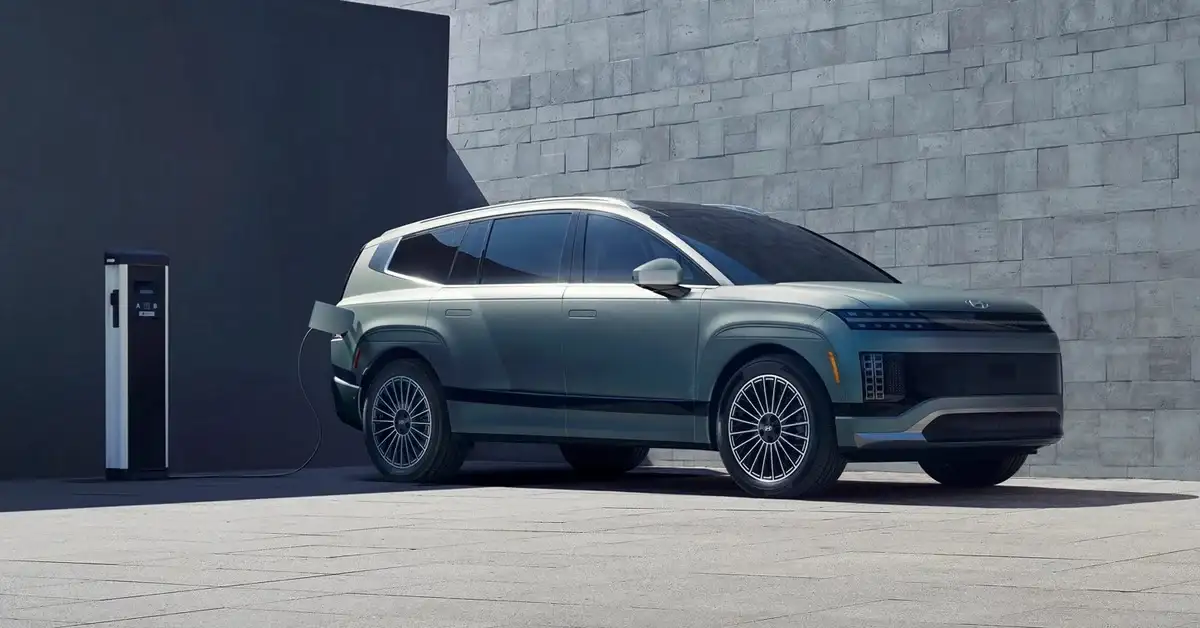
When shoppers ask, “how long does Hyundai charging take?” the most useful answer is: it depends on the Hyundai EV, the battery’s current charge, and the type of charger you use. A quick stop at a compatible DC fast charger can add a meaningful amount of range in about 20 minutes. Charging at home on a Level 2 unit usually takes several hours, which is why many owners simply plug in overnight.
For drivers in Libertyville and Chicago’s northern suburbs, the best charging setup often comes down to routine. A commuter with home charging may rarely need public fast charging. A driver who takes frequent road trips will care more about fast-charge capability, station availability, and how easily charging stops fit into the trip.
How Long Does Hyundai Charging Take by Charger Type?
Hyundai EV charging falls into three practical categories: Level 1, Level 2, and DC fast charging. The charging times below are useful planning estimates, not guarantees. Temperature, battery condition, charger output, and other vehicles sharing a charging station can all affect the result.
Level 1 charging: the standard wall outlet option
Level 1 charging uses a standard 120-volt household outlet. It is the slowest option, generally adding only a few miles of range per hour. Depending on the vehicle and battery size, a near-empty battery can take more than two days to reach a full charge.
This option can work for drivers with short daily trips who have dependable overnight parking. It can also be a practical backup when traveling or waiting for a home charging installation. Still, Level 1 is usually not the preferred everyday solution for a fully electric Hyundai. If you drive 40, 50, or more miles on a typical day, it may not replace all the range you use overnight.
Level 2 charging: the everyday home solution
Level 2 charging uses a 240-volt outlet or a professionally installed home charging station. It is the most convenient choice for many EV owners because it can replenish the battery while the vehicle is parked at home, at work, or at a public destination.
For Hyundai models such as the IONIQ 5, IONIQ 6, and KONA Electric, a Level 2 charger can typically take a low battery to full within an overnight window, depending on the model year, battery capacity, and the charger’s power rating. In real ownership, that often means plugging in after dinner and waking up with the range needed for the next day.
You do not have to charge to 100% every night. Many owners set a daily charging limit that suits their driving needs and use a higher charge level before a longer trip. That approach can reduce unnecessary time connected to the charger while keeping your vehicle ready for commuting, school drop-offs, errands, and weekend plans.
DC fast charging: the fastest option on the road
DC fast charging is designed for longer drives. Instead of relying on the vehicle’s onboard charger like Level 1 and Level 2 equipment, a DC station sends power directly to the battery. That substantially reduces charging time when the vehicle and charger support higher charging speeds.
Hyundai’s E-GMP-based EVs, including many IONIQ 5 and IONIQ 6 models, can charge from 10% to 80% in approximately 18 to 20 minutes at a compatible 350-kW, 800V DC ultra-fast charger under favorable conditions. That is not the same as charging from empty to 100%, and it is not a promise that every station will deliver that speed. It is, however, a useful benchmark for planning a highway stop.
The Hyundai KONA Electric also supports DC fast charging, though its charging curve and maximum charging rate differ from the IONIQ models. A 10% to 80% session may take about 40 to 45 minutes on a suitable DC fast charger, depending on the vehicle and conditions. For many buyers, the trade-off is straightforward: the KONA Electric can be an efficient, practical small SUV, while the IONIQ 5 and IONIQ 6 place more emphasis on rapid charging for frequent travel.
Why Charging Time Is Not Always the Same
A charger’s maximum number on its display does not automatically become your vehicle’s charging speed. The Hyundai EV sets the pace based on what it can accept at that moment, and charging naturally slows as the battery fills.
The fastest portion of a DC session generally occurs at a lower state of charge. Once the battery reaches about 80%, charging slows to help manage battery temperature and long-term health. That is why road-trip charging plans often focus on getting from roughly 10% to 80%, then continuing to the next stop rather than waiting for 100%.
Cold Illinois winters can change the experience, too. A cold battery may charge more slowly until it reaches an appropriate operating temperature. Some Hyundai EVs offer battery conditioning features that can prepare the battery before arriving at a compatible fast charger when navigation is set to that charging location. This can be especially helpful on a cold day, but it does not eliminate every weather-related delay.
Other factors include the charger’s actual output, whether another vehicle is using shared equipment, battery age, elevation changes, and accessories running in the vehicle. Highway speed and winter heating can also use more energy between stops, making it smart to build a little margin into a long-distance charging plan.
Choosing the Right Hyundai Charging Routine
The right routine depends more on where you park than on how often you visit a public charging station. If you have a garage or dedicated driveway, Level 2 charging is usually the simplest ownership setup. Have a qualified electrician confirm your electrical panel capacity, choose equipment that fits your installation, and follow local permitting requirements where applicable.
Apartment and condo residents may rely more on workplace, public, or community charging. In that case, review chargers near your home, workplace, and common destinations before selecting an EV. It helps to know which stations are reliable, when they tend to be busy, how payment works, and whether you can charge while completing another task.
For road trips, plan charging stops before leaving rather than waiting until the battery is very low. Built-in route planning and charging apps can help identify available stations, but keep a backup option in mind. A station may be occupied, temporarily unavailable, or slower than expected. Stopping with some remaining range gives you more flexibility.
Charging Times for Hyundai Hybrids and Plug-In Hybrids
Not every electrified Hyundai needs public fast charging. Hyundai hybrid models do not plug in at all. Their battery is charged through the gas engine and regenerative braking, so there is no external charging time to schedule.
A Hyundai plug-in hybrid does connect to an external power source, but it has a much smaller battery than a fully electric vehicle. Level 1 charging may work well for many plug-in hybrid owners, especially when the vehicle can charge overnight. A Level 2 charger can shorten that charging window further. Exact timing varies by model and model year, so check the vehicle’s specifications when comparing inventory.
This distinction matters when choosing a vehicle. A hybrid can be a strong fit for drivers who want better fuel efficiency without changing their fueling routine. A plug-in hybrid may suit drivers with short daily trips and regular access to charging. A fully electric Hyundai can make the most sense for buyers who can charge at home or work and want to minimize gas station visits.
Get a More Accurate Estimate Before You Buy
The most accurate answer to how long Hyundai charging takes starts with the exact vehicle you are considering. Battery size, onboard charging capacity, and DC fast-charge capability vary across models and model years. Your own driving pattern matters just as much.
Before making a decision, consider your average daily miles, where the vehicle will park overnight, whether a Level 2 installation is realistic, and how often you take longer trips. Happy Hyundai of Libertyville can help you compare Hyundai EV, hybrid, and plug-in hybrid options with those questions in mind. A charging routine should fit your life without adding unnecessary complexity, and the right Hyundai should make each daily drive easier to plan.
Frequently Asked Questions
Can I install a Level 2 charger at my home in Lake County?
Most homeowners with a garage or driveway can add Level 2 charging, but the details depend on your electrical panel and wiring. A licensed electrician can check capacity, recommend a circuit, and pull any permit your village requires. It is also worth checking with ComEd for current residential EV programs before you buy equipment. Happy Hyundai of Libertyville can help you match a Hyundai EV to your home setup.
Does cold weather in northern Illinois reduce Hyundai EV range?
Yes, cold temperatures usually reduce range and can slow charging. Cabin heating uses battery energy, and a cold battery accepts power more slowly. Preconditioning the cabin while the car is still plugged in at home helps, as does using seat and steering wheel heaters where equipped. Many Libertyville owners simply plan a little more margin on winter days and charge overnight.
Where can I find public DC fast chargers near Libertyville?
The station locator from the Alternative Fuels Data Center, the navigation system in many Hyundai EVs, and popular charging network apps all show public stations, connector types and charging speeds. Check locations along routes you drive often, such as I-94 toward Wisconsin or into Chicago, and note backup options. Station availability changes, so confirm before a long trip.
What charging port does a Hyundai EV use?
Hyundai EVs have used the CCS1 connector for DC fast charging, with Level 2 charging through the same port. Newer Hyundai EVs are moving to the NACS connector, and adapters can let compatible models use stations built for the other plug type. Check the port on the exact vehicle you are considering and ask our team which adapters and networks apply to it.
0 comment(s) so far on How Long Does Hyundai Charging Take? Clear Answers